

When you send Bitcoin, your transaction doesn’t confirm instantly. It waits in the mempool first.
The mempool is a pool of unconfirmed transactions included in a block by miners. You can pay a higher fee rate to improve your chances of being confirmed sooner.
This article explains what the mempool is, how it works, and why transaction fees determine confirmation speed.
How Transactions Confirm
Your transaction moves through stages between your wallet and the blockchain.
First, your wallet broadcasts the transaction to computers running Bitcoin software across the network. This happens instantly when you hit send.
The transaction then enters the mempool alongside thousands of other pending transactions from users worldwide. This is the waiting stage.
Miners scan the mempool and select which transactions to process next. They almost always pick the highest-fee transactions first because that maximizes their profit.
Finally, the miner who finds the block includes your transaction and adds it to the blockchain permanently. Your transaction is now confirmed and leaves the mempool.
Understanding Transaction Priority
The mempool is where fee competition happens. When it’s crowded, you’re competing with everyone else to get your transaction processed.
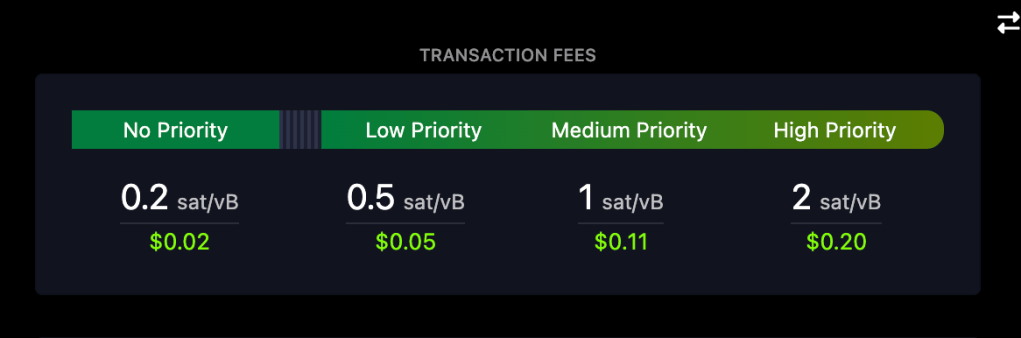
Higher fee rates usually confirm sooner. Lower fee rates can wait much longer when the mempool is crowded.
During busy times, fees spike because everyone is trying to transact and get in the next few blocks.
Mempools Are Decentralized
There’s no single mempool for the entire Bitcoin network. Each node maintains its own mempool based on its configuration and relay settings. A node is a computer running Bitcoin software that validates and relays transactions.
Node operators choose which implementation to run and can adjust transaction relay rules. Some nodes reject low-fee transactions or filter specific data types.
Bitcoin’s decentralized relay network makes broad censorship difficult as long as some nodes continue relaying those transactions. Transactions may also be submitted directly to miners using dedicated services.
How to Navigate the Mempool
You can check mempool status using explorer websites. These show current congestion levels and fee rates in real time.
Mempool.space is the most popular option. Paste your transaction ID in the search bar to check if your transaction is stuck. The site also estimates appropriate fees based on current network conditions.
Most modern wallets suggest accurate fees before you make a transaction. Use these suggestions to avoid overpaying when the network is quiet or underpaying when it’s busy.
Check an explorer before sending important transactions to see what fee rates are confirming quickly.
Bottom Line
The mempool is the waiting room between sending a Bitcoin transaction and seeing it confirmed on the blockchain.
Understanding it helps you time your transactions better and avoid overpaying on fees when the network is quiet.




Leave a Reply